You are here:
Home
/
Blog
/
regulations
/
What London Climate Action Week revealed about packaging regulation



Photo by Vincent Creton
London Climate Action Week made two things very clear:
For years, the focus has been on reporting. What data do we have? What do we need to disclose? Which framework applies? Those questions are still important, but the focus has moved on to action.
I witnessed a tangible shift from reporting to doing throughout the week.
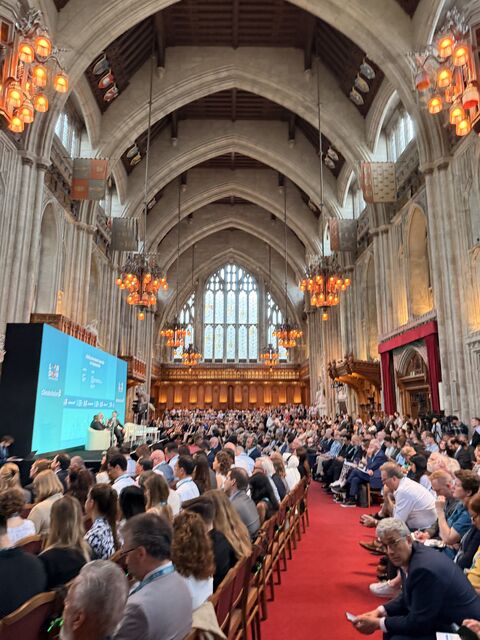
Packaging regulation is starting to carry real commercial weight now that it is changing the costs architecture of packaging.
The EU Packaging and Packaging Waste Regulation, or PPWR, entered into force in February 2025 and will generally apply from 12 August 2026. It is designed to reduce packaging waste, improve recyclability, harmonise rules across Europe and place clearer obligations on the businesses that put packaging on the market. For brands, importers, manufacturers and distributors, this is fast becoming an operational, financial and supply-chain issue.
What stood out in London was the extent to which packaging regulation is changing the role of packaging teams inside businesses. PPWR pushes companies to reduce packaging complexity and weight, improve recyclability, understand material composition and manage substance restrictions, including PFAS limits for food-contact packaging from August this year.
That gives packaging leaders a much stronger seat at the table with finance, procurement, sustainability and executive teams. Packaging decisions are now tied to compliance risk, EPR fees, market access and supply-chain resilience on top of design, cost or shelf impact implications.
The practical takeaway was pretty simple: you cannot comply with packaging regulation if you do not understand your packaging.
That means knowing what each SKU is made from, where materials come from, how packaging is classified, whether evidence is available, and which supplier data can be trusted. It also means being able to create and maintain the right documentation, including declarations of conformity and technical records, without rebuilding the same information every time a new reporting requirement appears.
This is where the conversation about data becomes more serious. Data trust was described in London as this century’s equivalent of 20th-century geology: the foundational resource that determines who can move, who can invest and who gets left behind.
The same is true for packaging. Better data is has moved beyond mere reporting input to become the foundation for better decisions.
It helps businesses identify packaging risks earlier, reduce unnecessary complexity, engage suppliers more effectively, model future EPR exposure, and make design changes before regulation forces their hand.
The warning from London was also clear. Policymakers often underestimate how long packaging redesign really takes. In many cases, meaningful redesign can take two years or more.

Waiting for regulation to land in full is not a safe strategy. The businesses that start now will have more options later.
At Phantm, this is exactly where we are focused: helping businesses turn scattered packaging information into structured, trusted, reusable packaging data. Because the next phase of packaging regulation will not reward the businesses that report late and react under pressure.
It will reward the ones that understand their packaging early enough to act.


PPWR, EPR and packaging reform are raising the stakes for brands, retailers and manufacturers. Phantm can help you collect, validate and structure packaging data across suppliers, SKUs, components and materials, so it can be reused for compliance, cost modelling, reporting and better packaging decisions.